
C H I C A G O | miniseries
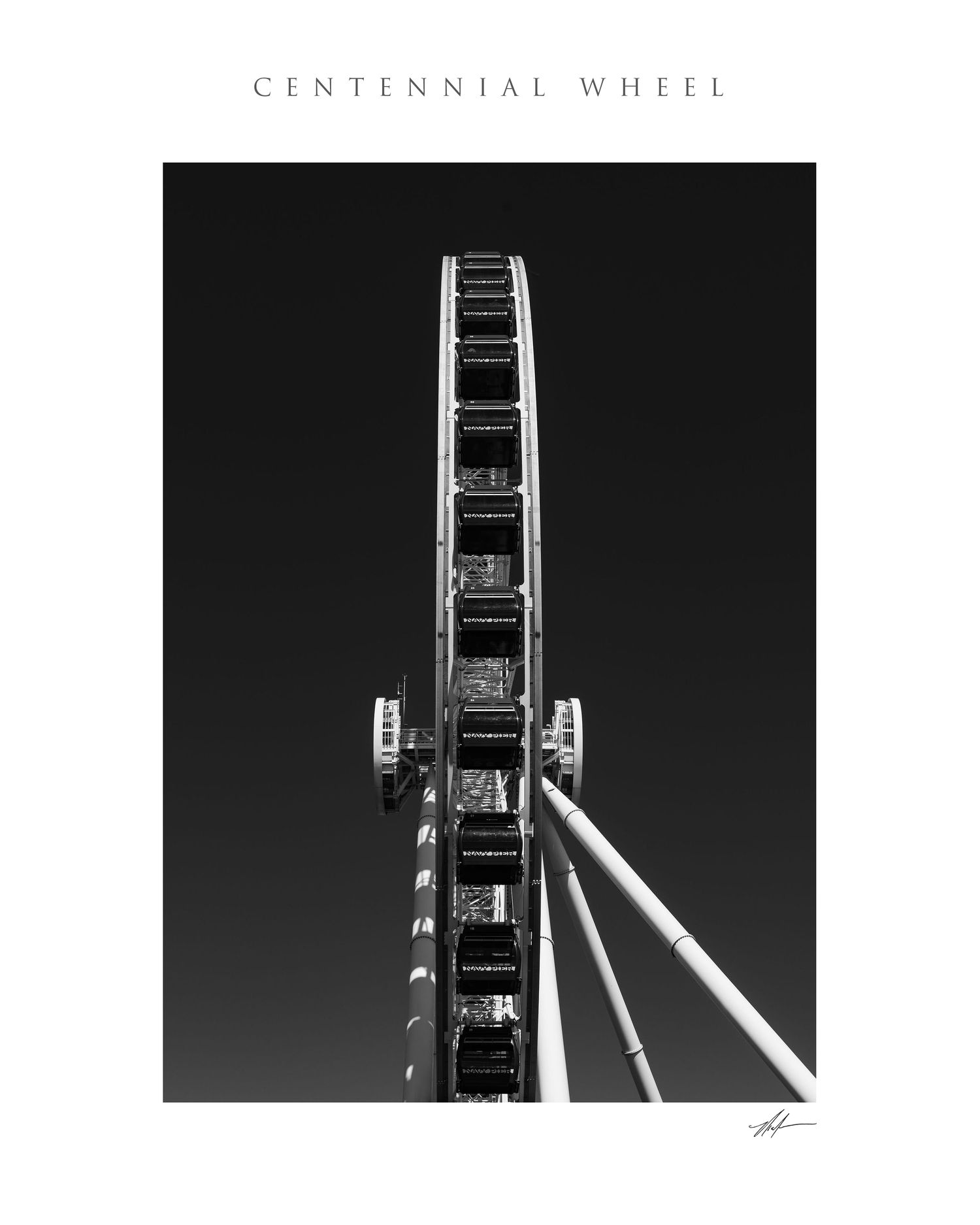
Centennial Wheel at Navy Pier
Rising nearly 200 feet above Lake Michigan, this modern Ferris wheel (rebuilt in 2016 to replace the 1995 version) nods to Chicago’s legacy: the world’s first Ferris wheel debuted here in 1893 at the World’s Columbian Exposition.
Today, it offers 360° views of the city skyline and lakefront from climate-controlled gondolas, making it one of the most unforgettable rides in the Midwest. Navy Pier itself, opened in 1916, has evolved from a shipping hub to one of Chicago’s most-visited attractions—home to food, art, concerts, and fireworks lighting up the lake.
Chicago, you’re stunning from every angle.
—————————
Marina City
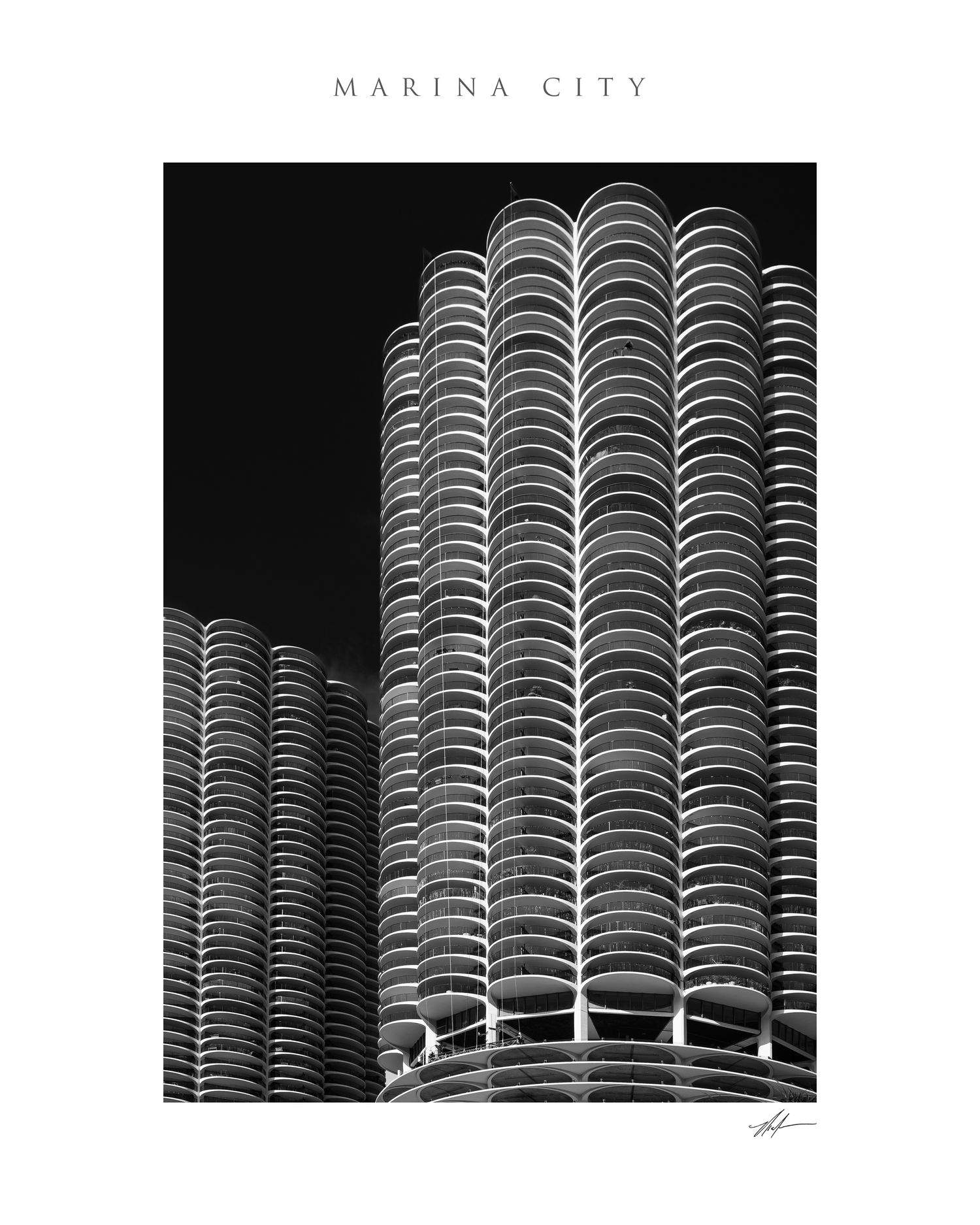
Chicago’s skyline is full of icons, but few are as instantly recognizable as Marina City.
Designed by Bertrand Goldberg and completed in 1964, these twin towers soar 587 feet with 65 floors each, earning the nickname “corn cob buildings.” At the time, they were the tallest residential towers in the world and a bold experiment in modern urban living.
Goldberg envisioned a “city within a city,” complete with apartments, offices, restaurants, a theater, parking spirals, and even a marina at the base along the Chicago River. Their futuristic design has made countless appearances in movies, TV, and even on Wilco’s Yankee Hotel Foxtrot album cover.
—————————
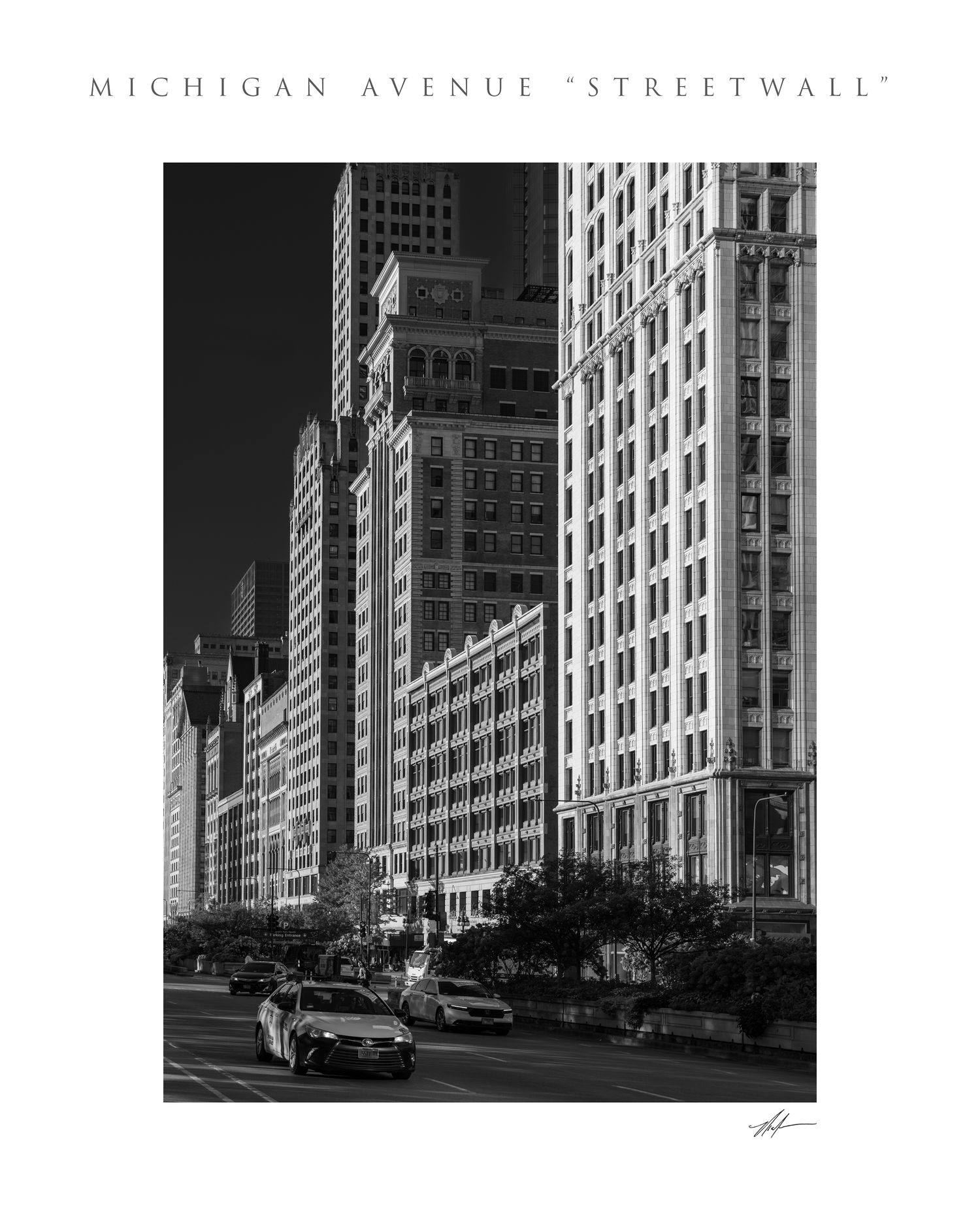
Michigan Avenue "Streetwall"
Walking along Michigan Avenue across from Millennium Park, it feels like stepping into a living museum of architecture.
This stretch, known as the Michigan Boulevard Historic District, is a landmark “streetwall” of early 20th-century skyscrapers. From Beaux-Arts to Chicago School to early Art Deco, each façade tells the story of a city that kept reinventing itself skyward after the Great Fire.
The buildings create one of the most iconic urban vistas in America, standing tall over Grant Park and Millennium Park like guardians of Chicago’s architectural legacy.
A week in this city wasn’t nearly enough, but this view left me in awe every single time.
—————————
Cloud Gate
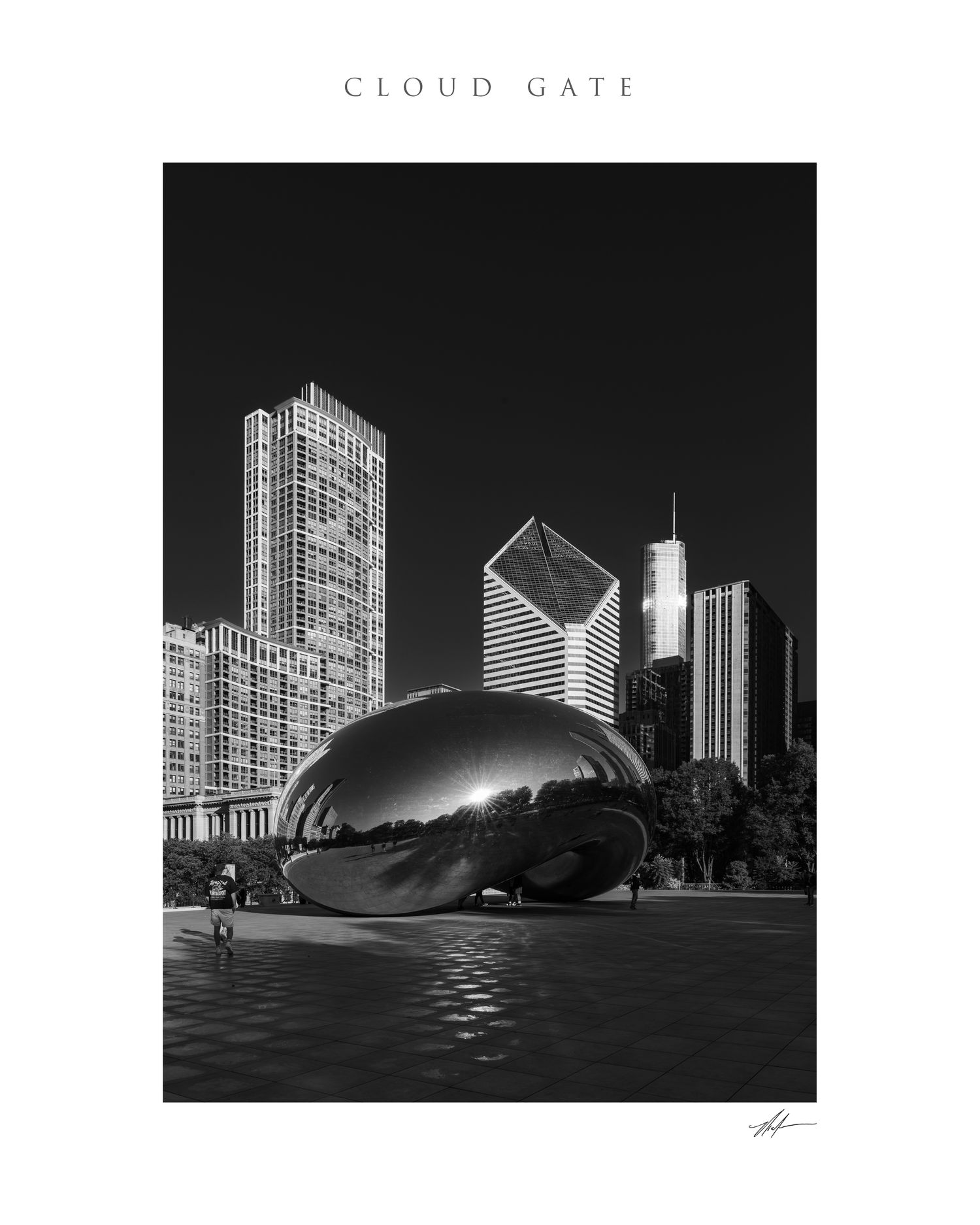
Chicago’s Cloud Gate, better known as The Bean, is more than just a selfie spot. It is one of the most ambitious pieces of public art and engineering in the world.
The sculpture weighs 110 tons and measures about 66 feet long, 42 feet wide, and 33 feet high. Its mirror finish comes from 168 stainless steel plates, precisely cut and welded together, then polished until every seam disappeared. Inside, two massive steel rings and a complex system of trusses and suspension units keep the structure standing, while flexible connectors allow it to expand and contract through Chicago’s harsh seasons.
Construction began in 2004 with the placement of the first two type-304 stainless steel rings. Though Millennium Park opened that summer, the Bean was only partially finished and later concealed again so crews could complete the welding, polishing, and underside “omphalos” section. The entire process took until 2006, with more than 2,500 linear feet of welds required to bring the artist’s vision to life.
For me, this landmark feels especially personal. Inside Cloud Gate’s polished shell are steel structures fabricated by Advanced Building and Metal Fabrication of Chico, California. Years back, while I was working as a project engineer, I partnered with the same team on specialty weld work for a hospital project in Northern California. Knowing their craftsmanship is at the core of this world-famous icon makes standing beneath it that much more meaningful.
Chicago, you always find a way to feel personal.
—————————
St. Regis
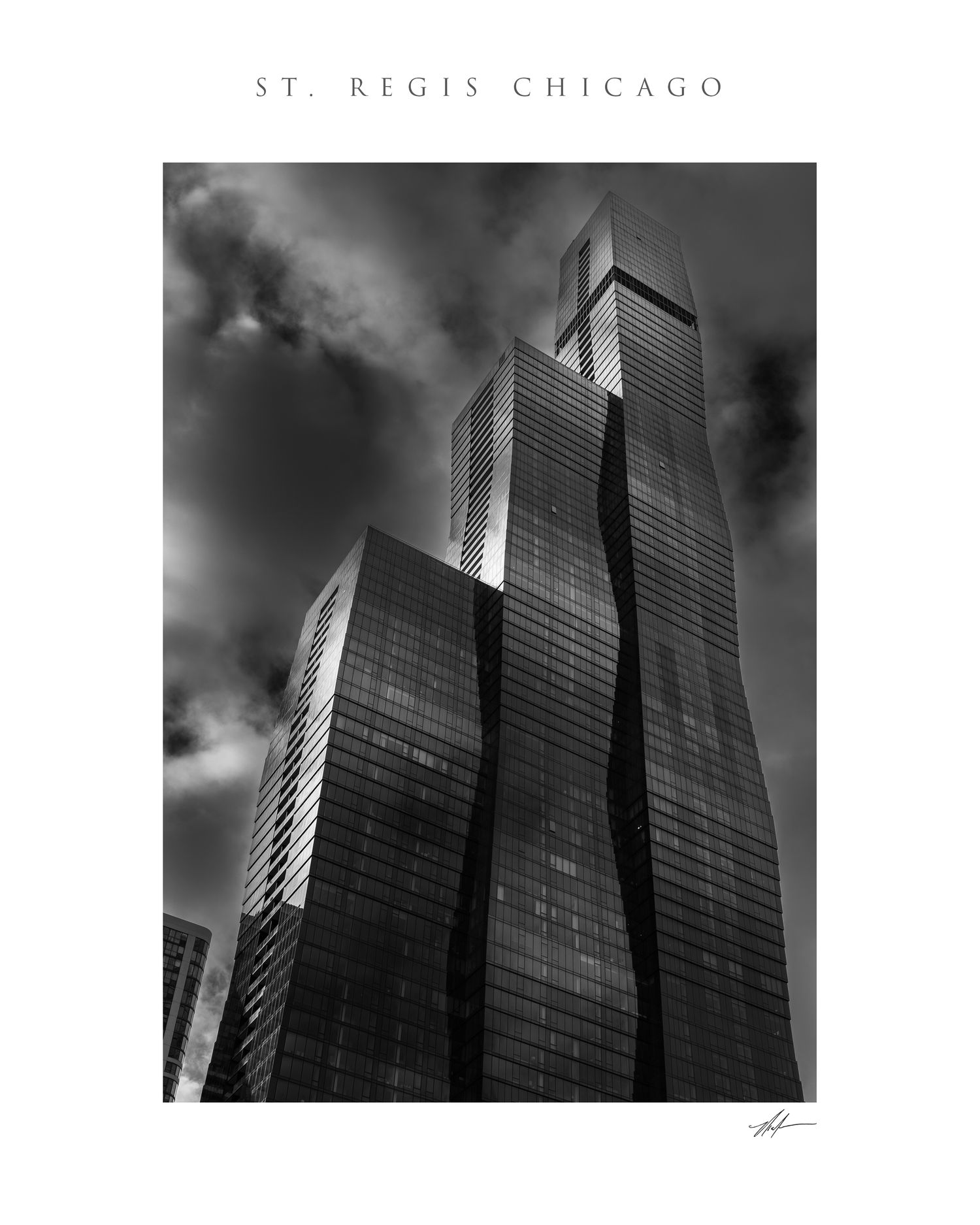
Chicago’s skyline is full of icons, but few feel as bold and modern as the St. Regis Chicago.
Completed in 2020, this 1,198 foot, 101 story tower is the third tallest building in the city and the tallest structure in the world designed by a woman, architect Jeanne Gang of Studio Gang.
Its form is made of three interconnected towers that rise and shift in height, giving the building its signature wave-like profile. The façade uses a gradient of blue-green glass, more than 775,000 square feet of it, to reflect Chicago’s lake, river, and sky. Inside, advanced engineering like blow-through floors and damping systems keep it stable against the city’s fierce winds.
Built with 115,000 cubic yards of concrete, it is both an architectural and structural achievement. Today it houses luxury residences, restaurants, and the five-star St. Regis Hotel, which officially opened in 2023.
Walking downtown, this tower feels like the perfect symbol of Chicago’s architectural future, shimmering, ambitious, and unforgettable.
—————————
Lake Point Tower
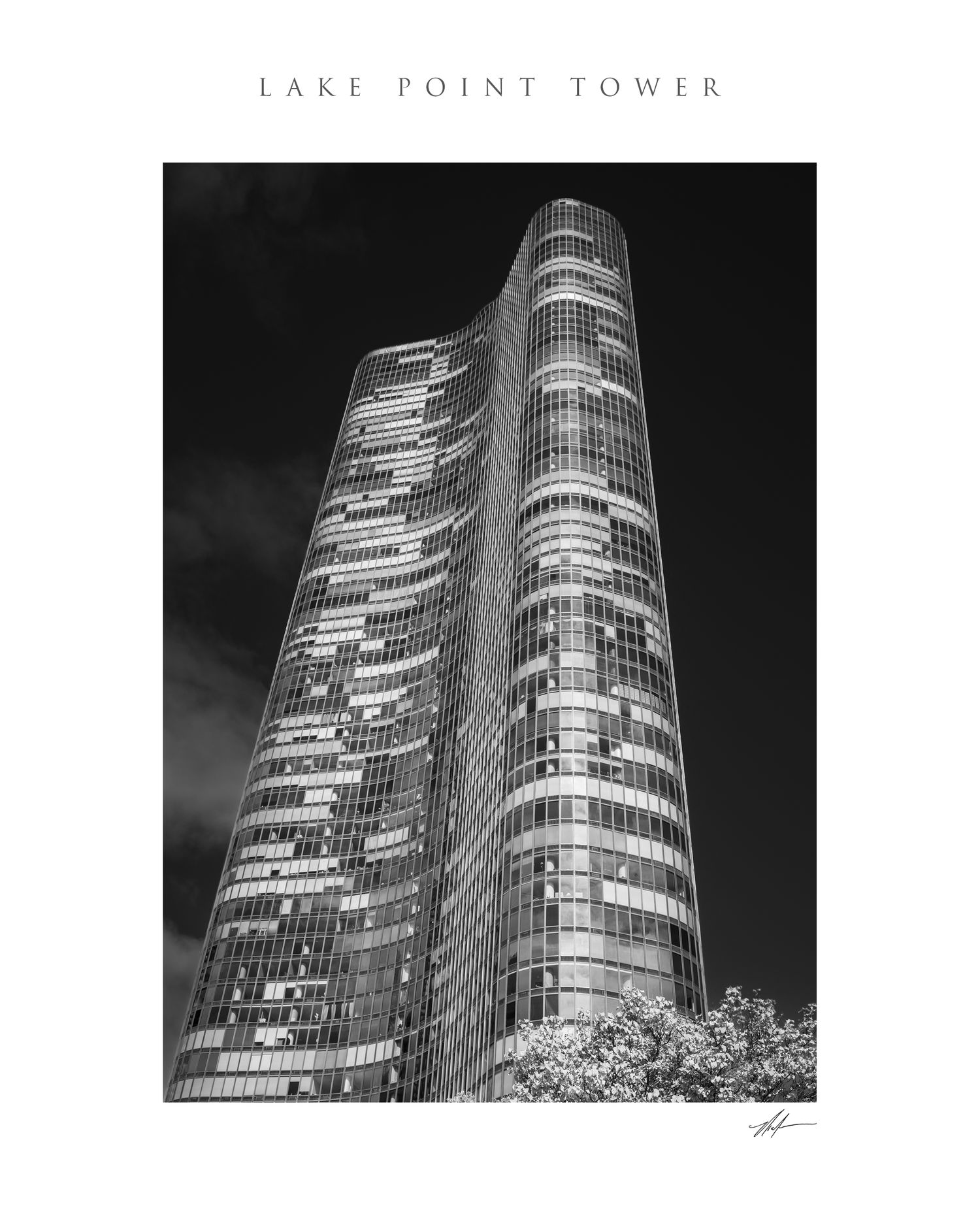
Few buildings on Chicago’s skyline are as instantly recognizable as Lake Point Tower.
Completed in 1968, this 70 story, 645 foot high-rise is the only major private building located east of Lake Shore Drive. Its position gives residents unmatched views of both the city and Lake Michigan, making it one of the most sought-after addresses in Chicago.
Designed by architects John Heinrich and George Schipporeit, students of Ludwig Mies van der Rohe, the tower’s Y-shaped plan uses three curved wings radiating from a central core. This design maximizes natural light, enhances views, and minimizes the impact of Chicago’s strong winds.
Lake Point Tower was among the tallest residential buildings in the world when it was completed. It also features a hidden gem above its podium: a 2.5 acre private park with walking paths, a lagoon, a waterfall, and lush landscaping, creating a green escape in the heart of the city.
More than fifty years later, Lake Point Tower remains a pioneering example of modernist architecture and urban living in Chicago.
—————————
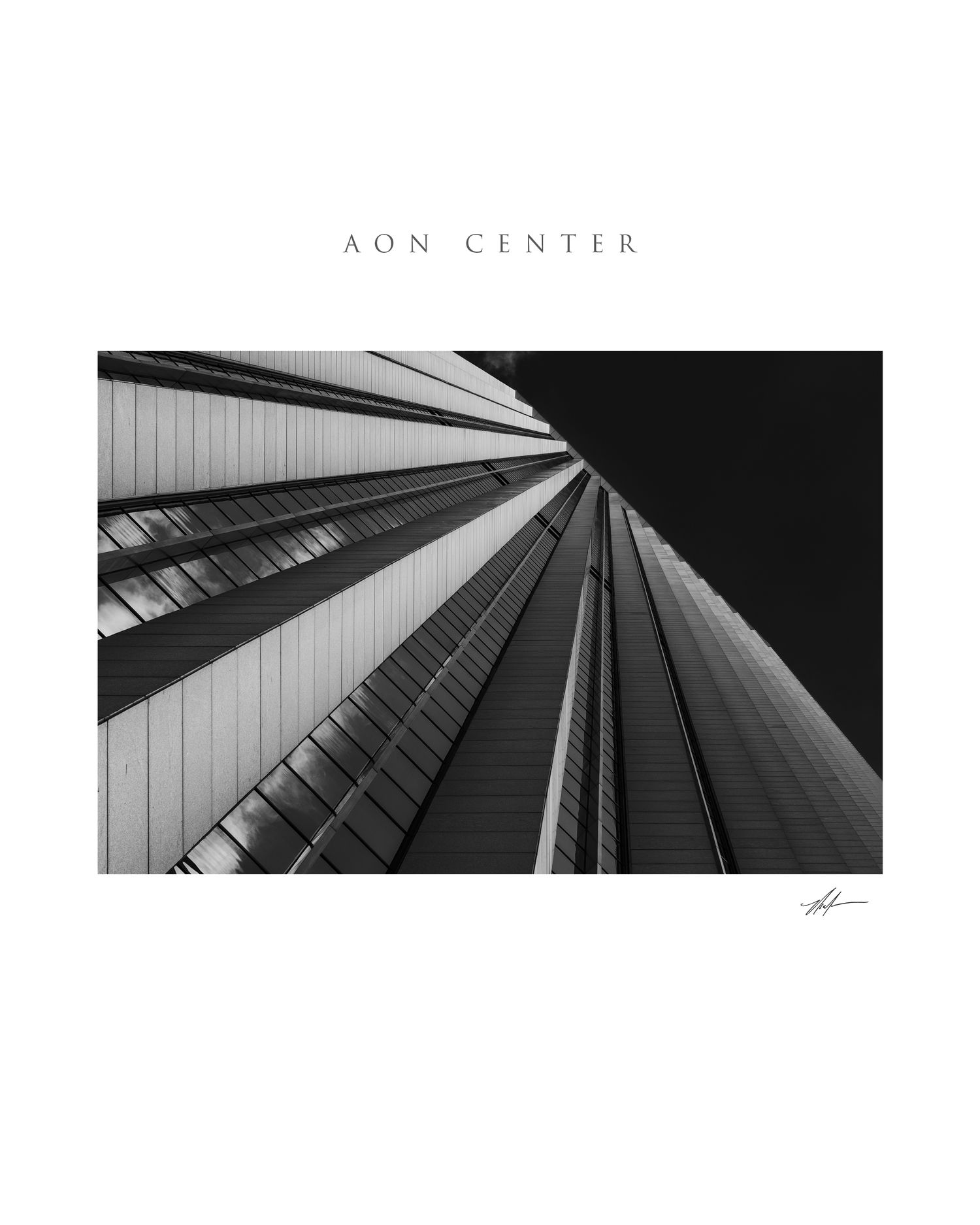
The AON Center
This is Aon Center, once known as the Standard Oil Building and later the Amoco Building — one of Chicago’s modernist icons.
Completed in 1973 with 83 floors and a height of 1,136 feet, it was briefly Chicago’s tallest. Its original façade was clad in thin Italian Carrara marble — about 43,000 slabs — selected for its pristine white beauty. But Chicago’s extremes exposed a flaw: the marble panels began to bow, crack, and even fall off over time. To stabilize things, stainless steel straps were added, but ultimately the building was reclad in Mount Airy white granite between 1990 and 1992, in a project that cost over $80 million.
Aon Center uses a tubular steel frame and V-shaped perimeter columns to manage wind and structure while preserving wide, column-free interiors. Its sleek vertical lines and bright exterior have made it a fixture of the skyline, even as it evolved through material failures and renovations.
Standing next to this tower, I’m reminded how architecture is never static. Every building tells a story of design, risk, adaptation, and endurance — and this one has endured beautifully.
—————————
Trump Tower
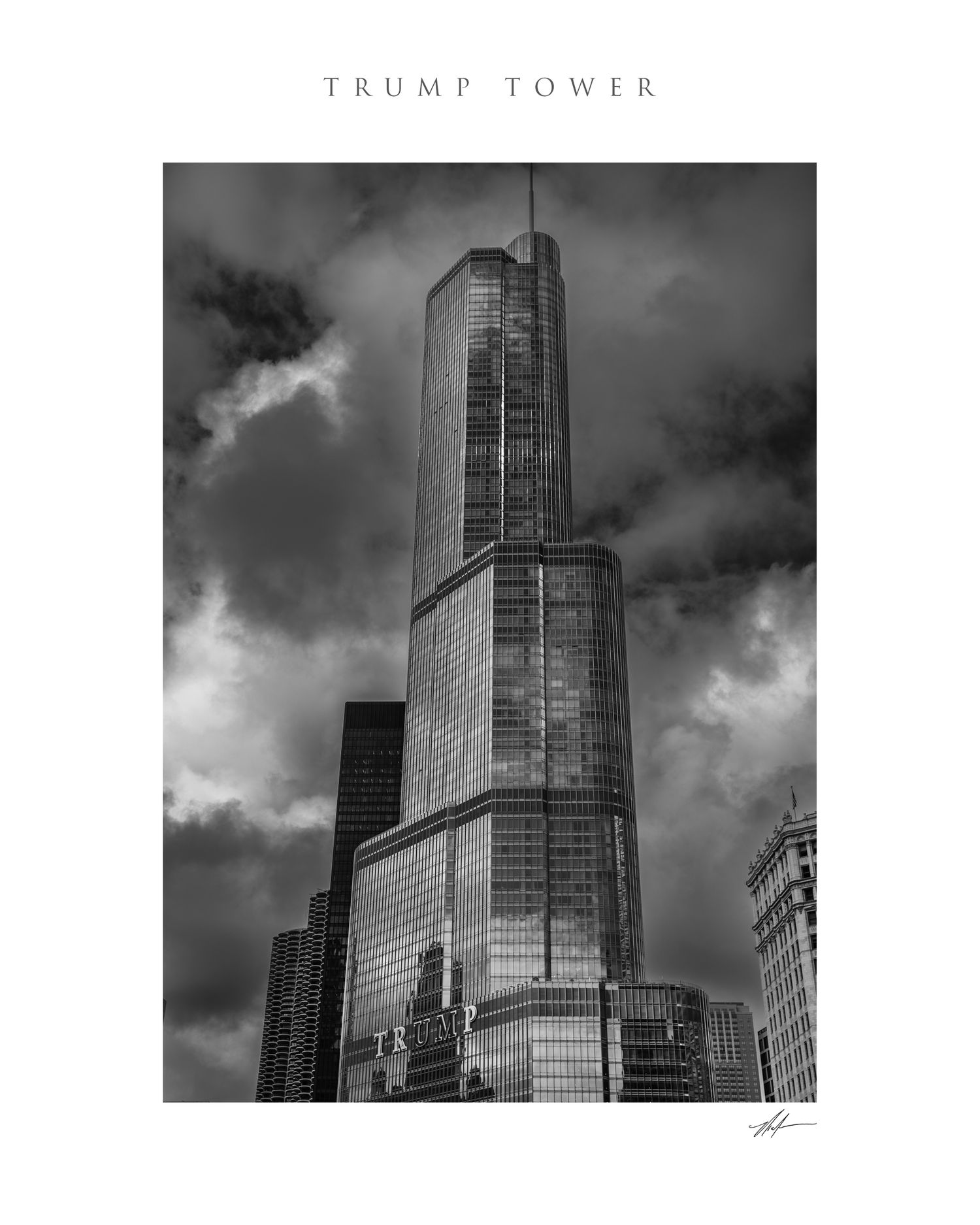
Chicago’s Trump International Hotel & Tower dominates the riverfront with height and ambition.
Designed by Adrian Smith of Skidmore, Owings & Merrill, it was completed in 2009 and rises 1,389 feet with 98 stories, making it one of the tallest buildings in North America. It mixes hotel, residential, and retail space, including 339 hotel rooms, luxury condominiums, and penthouse residences that remain among the highest private homes in the city.
The tower’s design uses three major setbacks, each aligning with nearby landmarks like the Wrigley Building, River Plaza, and Marina City. These stepped forms reduce wind effects while letting the tower integrate visually into Chicago’s skyline.
One of the most dramatic construction moments came in October 2005 with the “Big Pour.” Crews worked around the clock as 30 concrete trucks delivered 5,000 cubic yards of concrete for a 10 foot thick foundation mat, anchored by 241 caissons driven more than 100 feet into limestone bedrock. That engineering feat created the stability for the soaring glass curtain wall above, finished with polished stainless steel mullions that add depth and reflection.
Inside, residents and guests enjoy panoramic views from restaurants, lounges, and terraces, including dining spaces once home to the Michelin-starred “Sixteen.” Amenities range from a full spa and health club to expansive meeting rooms, continuing Chicago’s tradition of bold mixed-use skyscrapers.
More than a building, it is a case study in how Chicago keeps reinventing its skyline through daring design, complex engineering, and an unrelenting pursuit of vertical living.
—————————
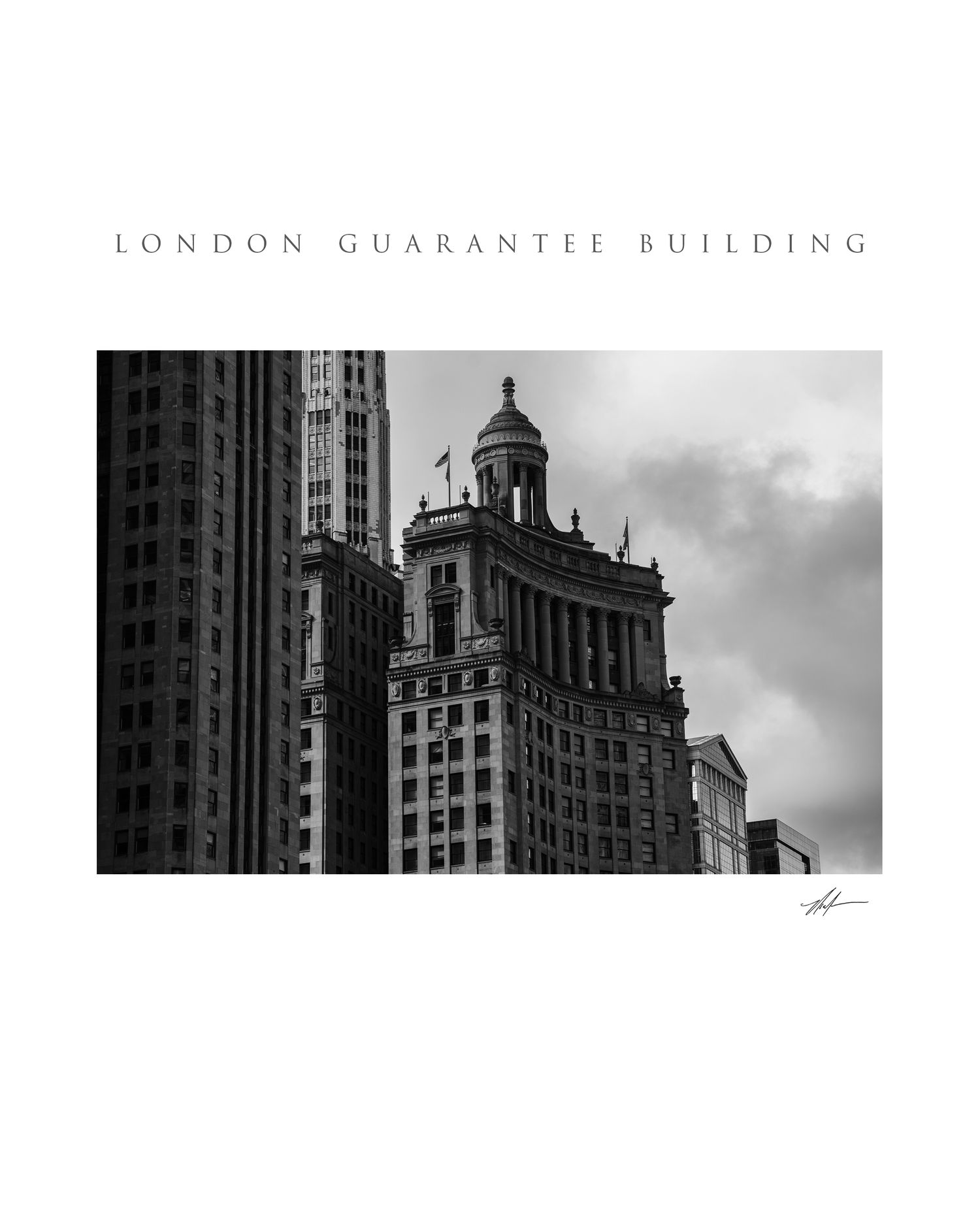
London Guarantee Building
Chicago’s riverfront is lined with some of the most beautiful architecture in the city, and the London Guarantee Building is one of its crown jewels.
Completed in 1923, this 23 story Beaux-Arts tower was designed by Alfred S. Alschuler. Its most striking feature is the cupola at the top, a domed pavilion supported by Corinthian columns that has become a defining piece of the Michigan Avenue skyline.
For decades it was home to the London Guarantee & Accident Insurance Company, later earning fame as a gathering spot for legendary jazz musicians at the London House club in the 1960s and 70s. Today it has been reborn as the LondonHouse Hotel, blending historic architecture with modern luxury. Guests can even enjoy one of the best rooftop bars in Chicago, perched right beneath that iconic cupola.
Standing across the river, the London Guarantee Building reminds us that Chicago does more than build tall — it builds with elegance, history, and style that endure for generations.
—————————
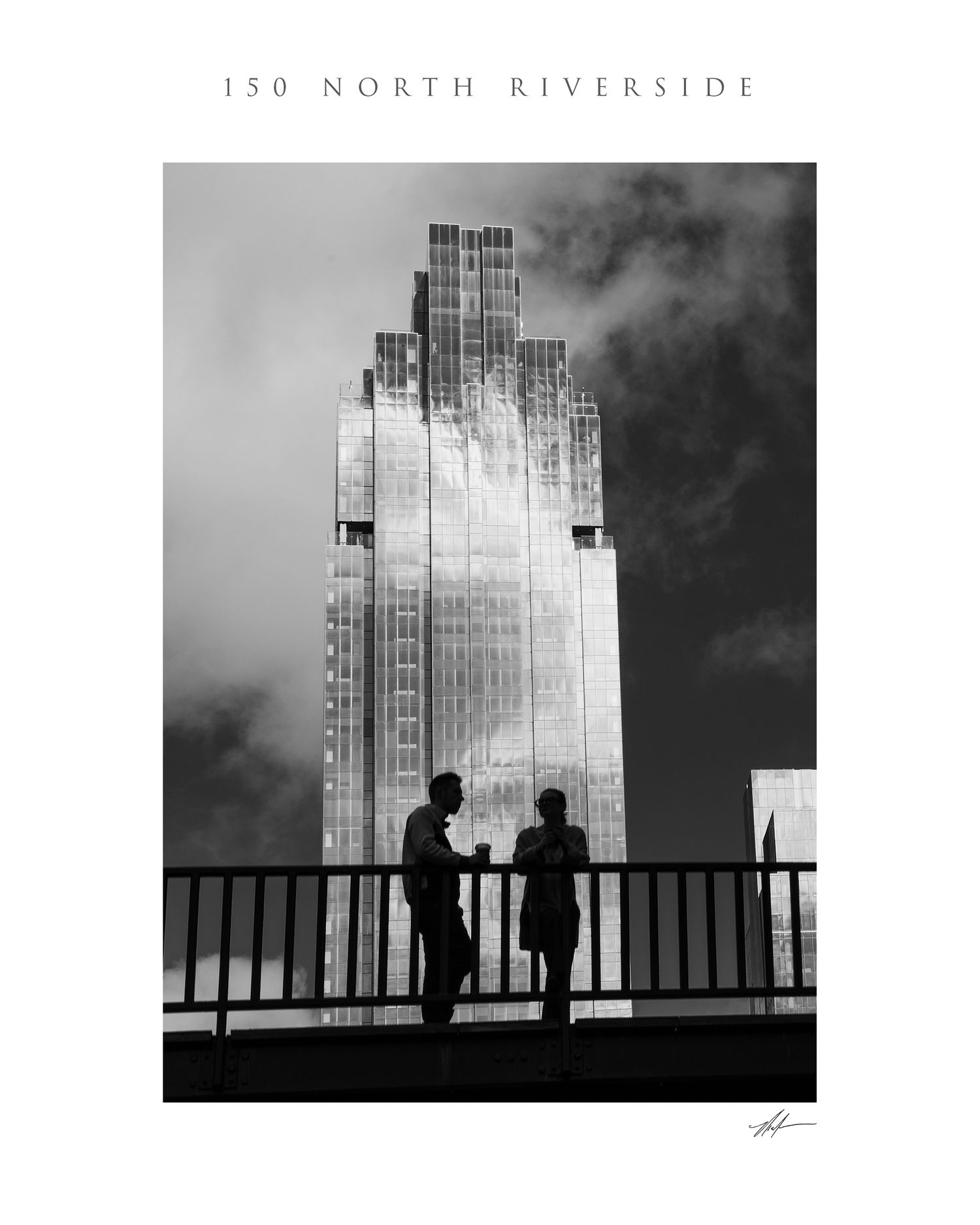
150 North Riverside
Chicago’s skyline is full of engineering feats, but few are as daring as 150 North Riverside.
Completed in 2017, this 730 foot, 54 story tower rises directly from the edge of the Chicago River on a site so narrow that many thought it could never hold a skyscraper. The base is only 39 feet wide, squeezed between the river and the Amtrak tracks, yet the tower expands outward as it rises, appearing to balance gracefully above the water.
Designed by Goettsch Partners, the solution was a structural marvel. The tower’s weight is carried by a central concrete core and a series of massive steel transfer trusses, allowing the upper floors to flare out while keeping the footprint minimal. The effect is both futuristic and elegant, a skyscraper that seems to hover.
Inside are 1.2 million square feet of office space with cutting-edge systems that earned LEED Gold certification. Outside, the design gives back to the city with a landscaped riverwalk, seating areas, and public art that make this more than just an office building.
150 North Riverside proves once again that Chicago does not just build tall — it builds with imagination, pushing the limits of design and engineering.
—————————
Gilt Bar
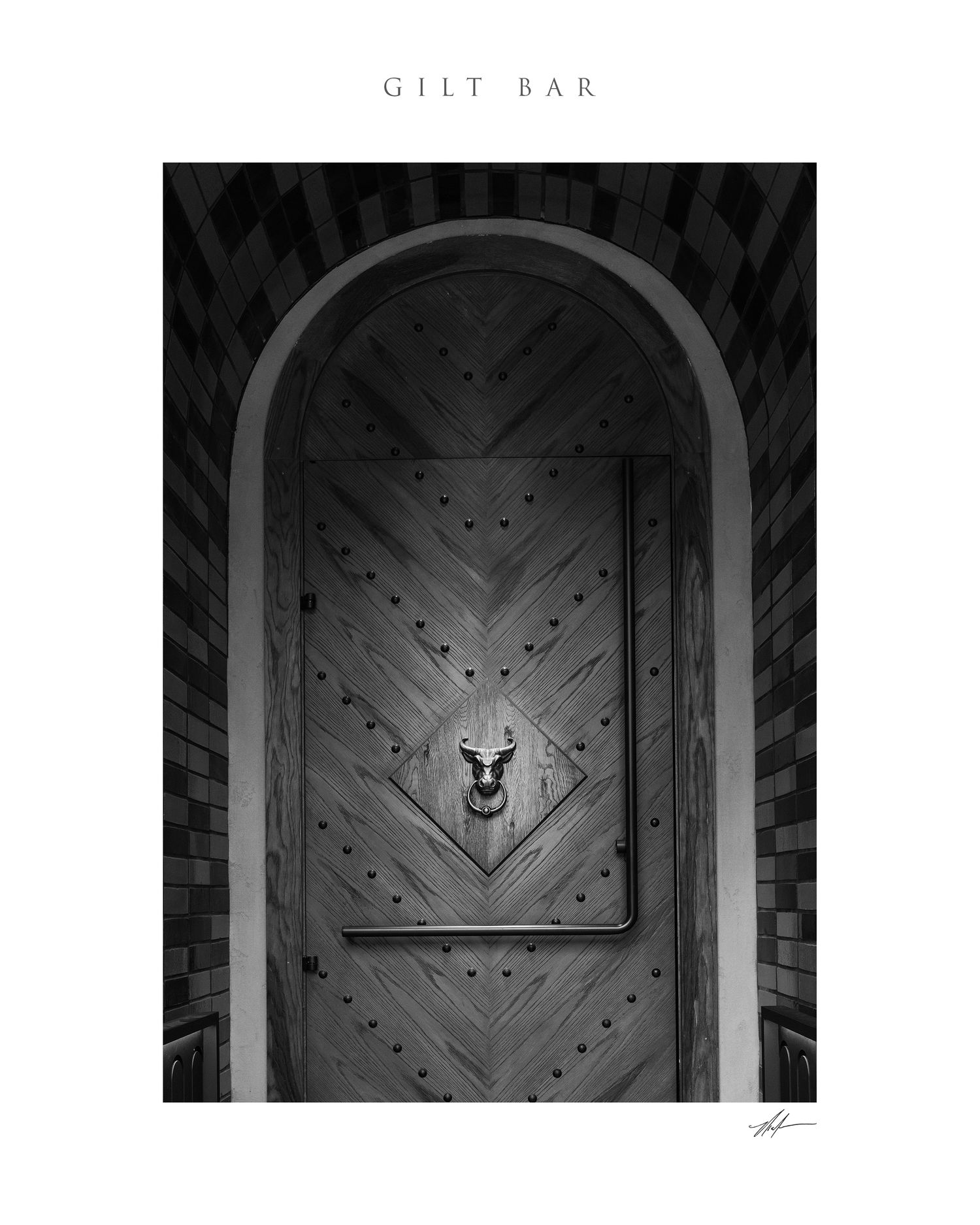
Not every icon in Chicago towers over the skyline. Some are tucked behind doors like this.
The chevron wood door with its bull’s head knocker marks the entrance to Gilt Bar, one of River North’s most atmospheric dining spots. The bull is more than decoration. It nods to Chicago’s history as the nation’s meatpacking capital and symbolizes the strength and resilience the city is known for.
Inside, the vibe shifts to vintage Chicago with velvet booths, low chandeliers, cocktails poured like a secret ritual, and food that feels indulgent in all the right ways. Run by Hogsalt Hospitality, the group behind Au Cheval and Bavette’s, Gilt Bar feels both hidden and iconic, a reminder that in Chicago great design is found not only in the skyline but also at street level.
—————————
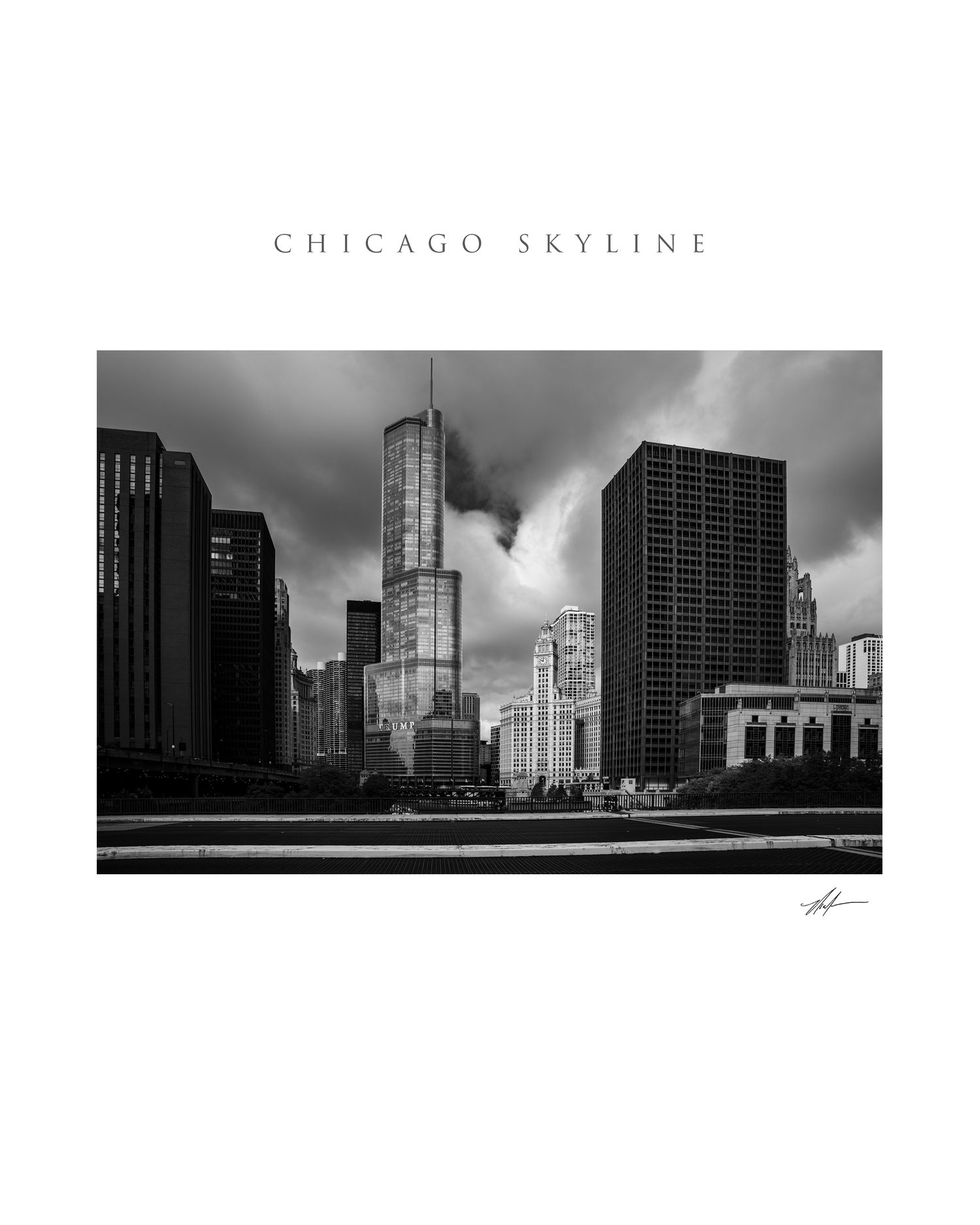
Chicago Skyline
Chicago’s skyline is a story of ambition written in steel and glass.
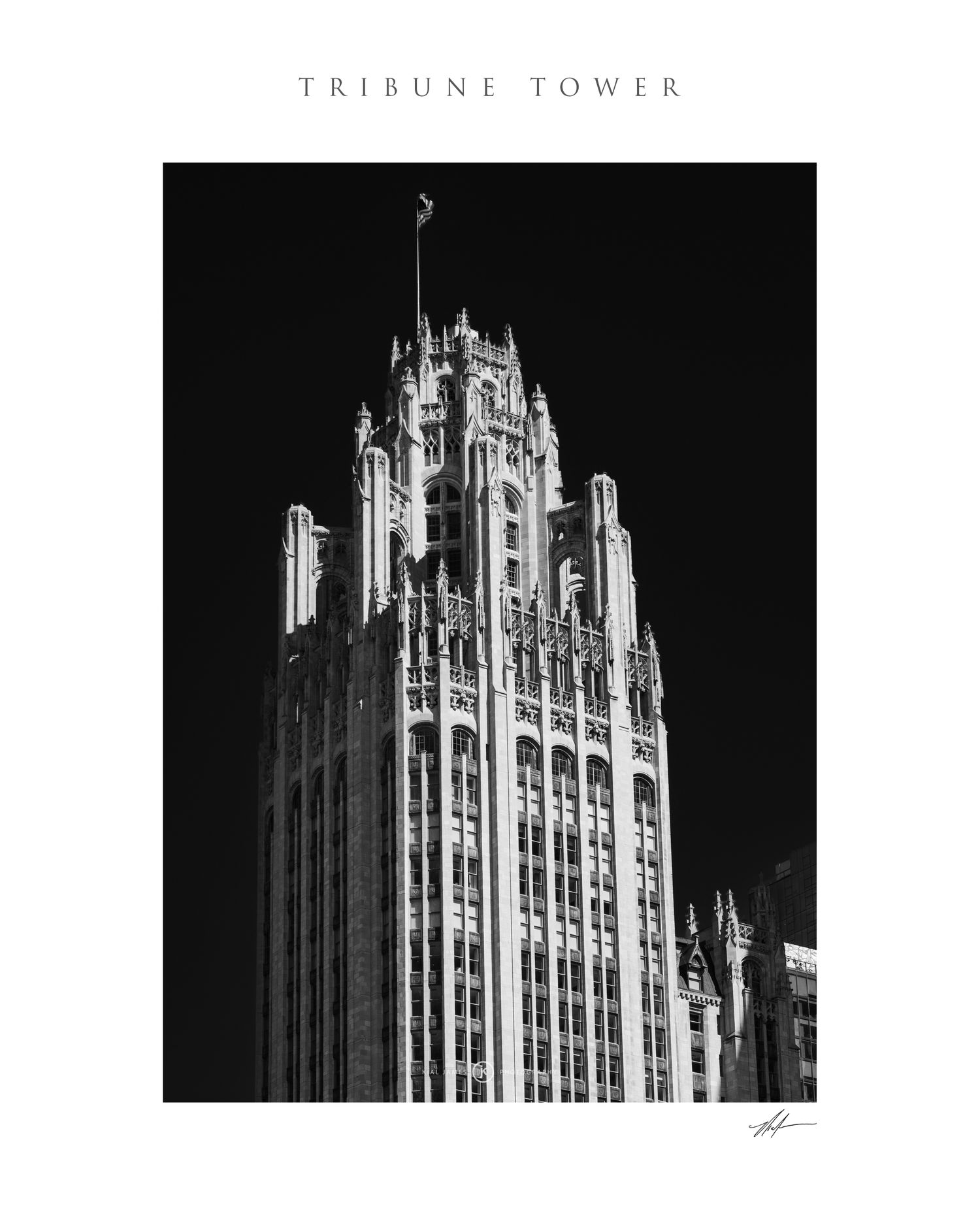
At the center of this view is Trump Tower, completed in 2009, rising 1,389 feet with its spire. It stands among legends like the Wrigley Building, Tribune Tower, and Marina City, each one marking a different era in the city’s architectural journey.
What makes Chicago special is not just one tower, but how they all speak to each other across the river. Neo-Gothic spires, mid-century modern grids, and sleek glass giants combine into a skyline that is both historic and forward-looking.
A week in Chicago wasn’t nearly enough to capture it all. The skyline is alive, constantly shifting with light, weather, and perspective — and it never stops reminding you why this city is called the birthplace of the skyscraper.
—————————
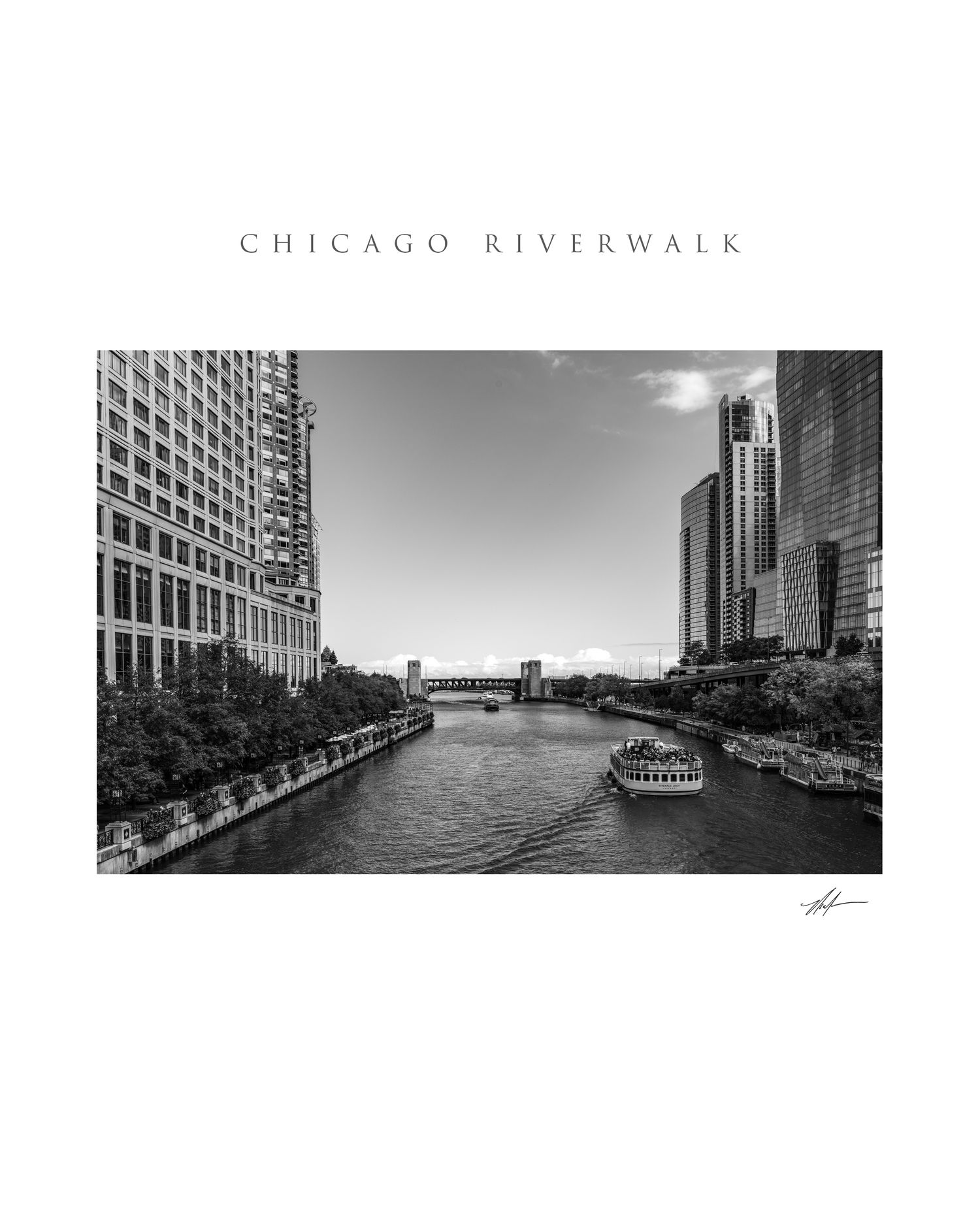
Chicago Riverwalk
Few places capture the spirit of Chicago like the Chicago Riverwalk.
Stretching along the south bank of the river in the heart of downtown, the Riverwalk is the result of decades of planning and transformation. Its modern form took shape in the early 2000s, part of Mayor Richard M. Daley’s ambitious plan to reclaim the riverfront as the city’s “second shoreline.” The final phases opened in 2016, creating a continuous pedestrian path from Lake Shore Drive to Lake Street.
What was once an industrial waterway lined with warehouses and shipping docks is now one of Chicago’s most vibrant public spaces. The Riverwalk is divided into “rooms,” each with its own character — from the Marina Plaza lined with restaurants and patios to the Cove for kayaking and the Jetty with floating wetlands and educational exhibits.
One of the highlights is the architecture boat tours, widely considered the best way to experience Chicago’s skyline. Guides share the stories behind the city’s rise, its architectural firsts, and the way the river shaped its destiny. Alongside the boats, the Riverwalk bustles with locals and visitors enjoying cafes, public art, and some of the best views of the skyline.
The Chicago Riverwalk is more than a walkway. It is a living symbol of how the city continually reinvents itself, turning a once-overlooked waterway into the beating heart of downtown life.
Thanks for following along in this series of photographs and stories. Chicago left a lasting impression, and I hope these glimpses into its architecture, history, and hidden gems did the same for you.