Salt Lake City to Grand Junction, Colorado
There are some trips where the destination is the point.
And then there are trips where the road itself quietly becomes the story.
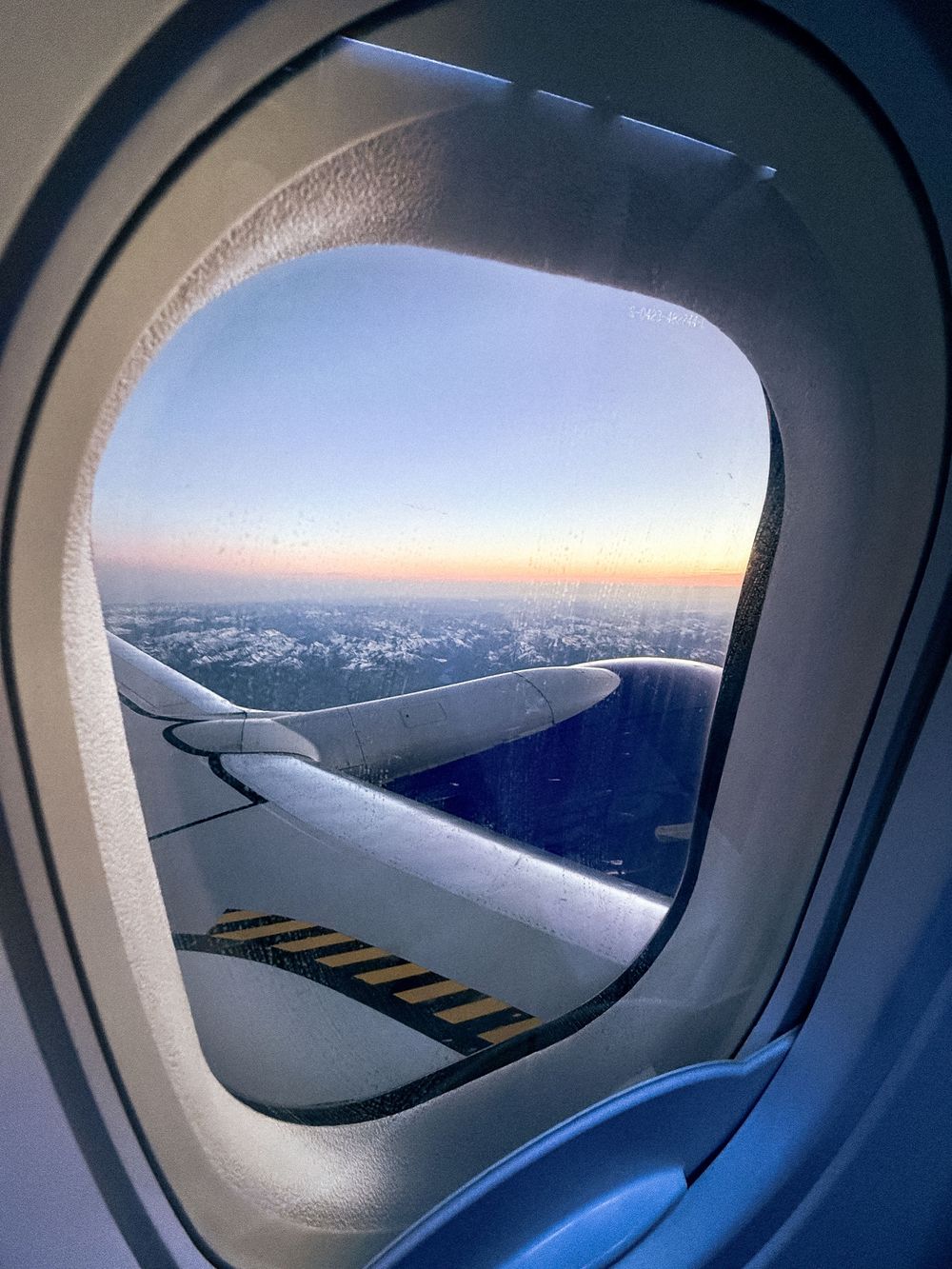
II flew into Salt Lake City, which is always one of those places that catches me a little off guard. There’s something about the city that feels remarkably clean, open, and put together — mountain air, wide streets, a sense of order, and that unmistakable skyline anchored by Temple Square. Even with parts of the temple area under renovation, Salt Lake has a presence to it. It feels historic, polished, and deeply rooted.
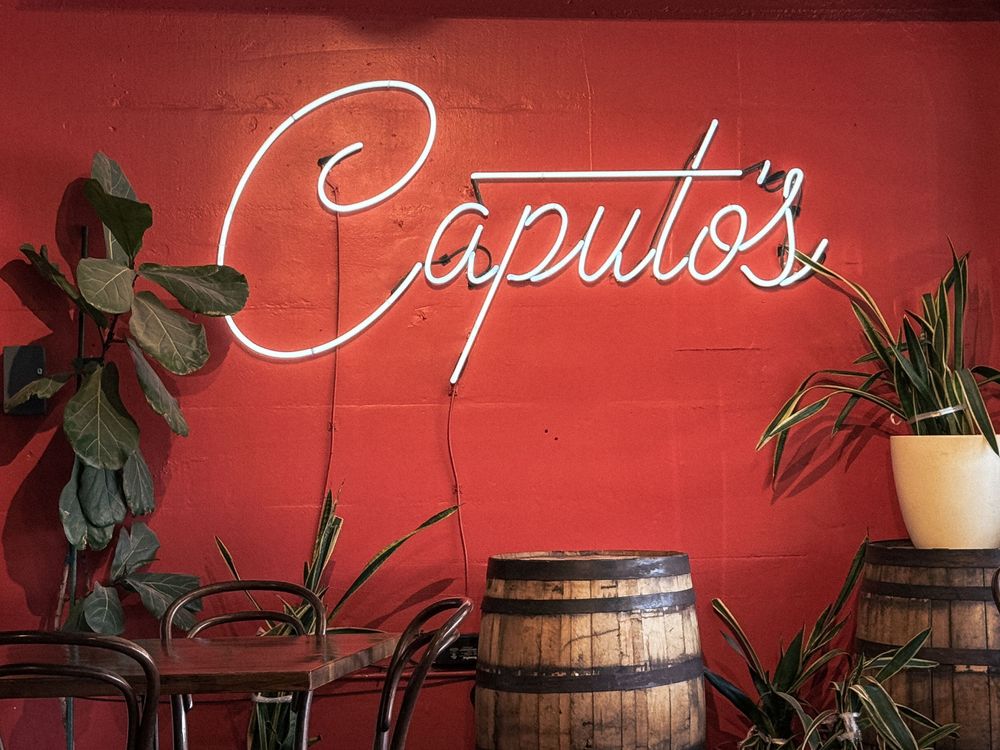
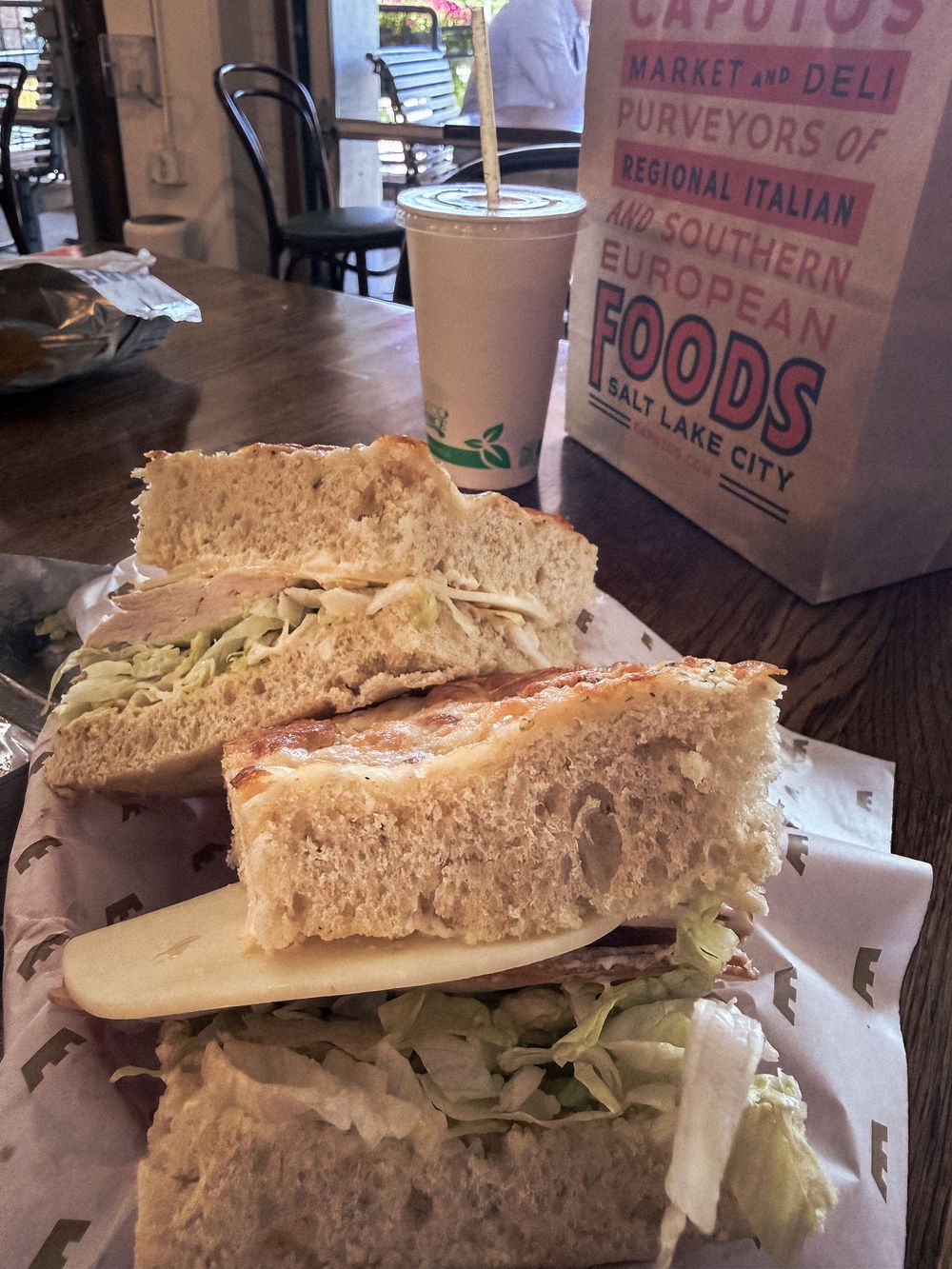
Before heading east, I stopped for lunch at Tony Caputo’s Market & Deli, a Salt Lake institution and one of those places that immediately tells you it knows exactly what it is. Handmade Italian food, serious cheese, chocolate, cured meats, imported goods, and the kind of authenticity you can feel the second you walk in. It’s the type of place where you order lunch and then start wandering the shelves like you accidentally stepped into a food museum.
From there, the road opened up.
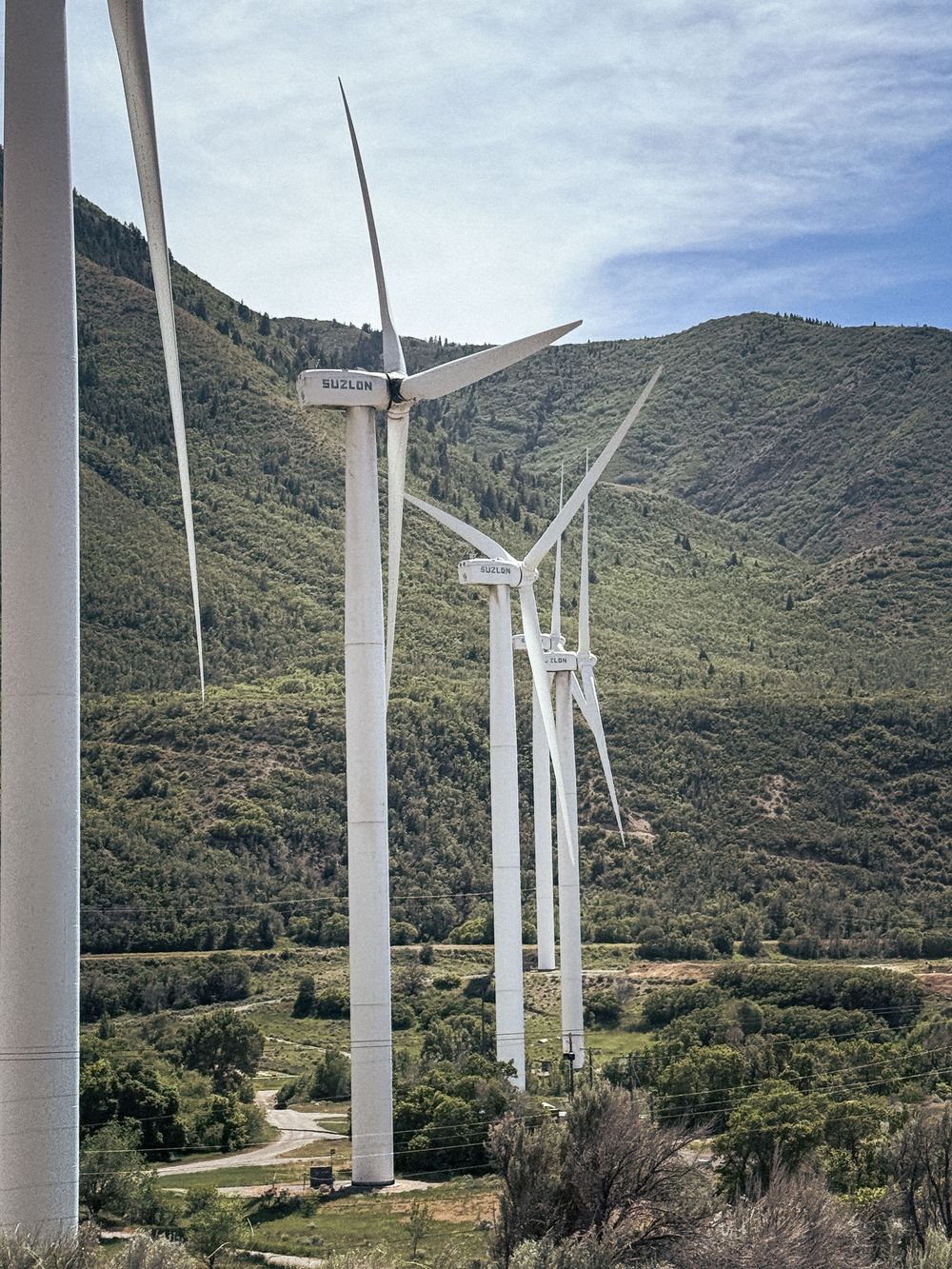
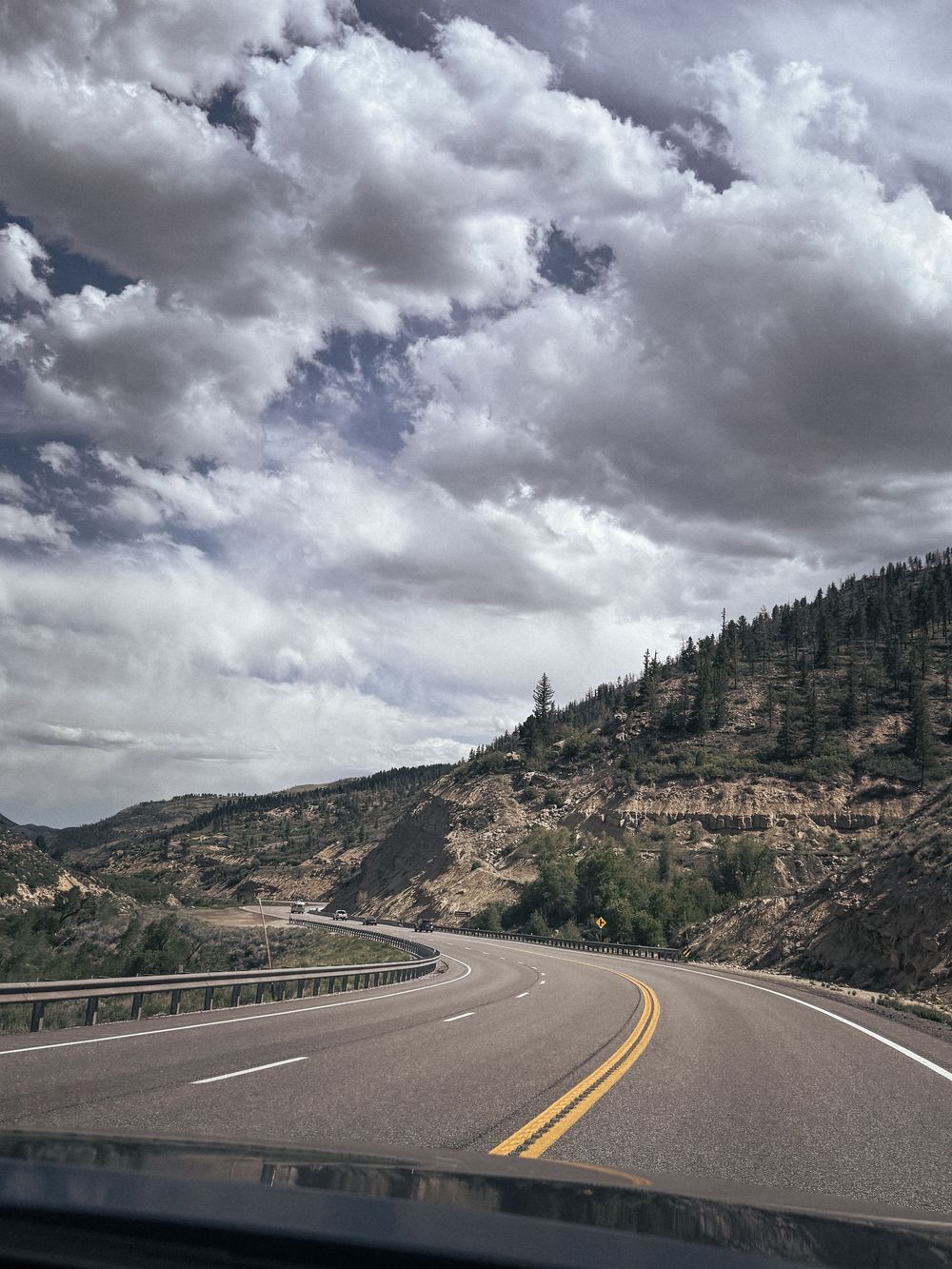
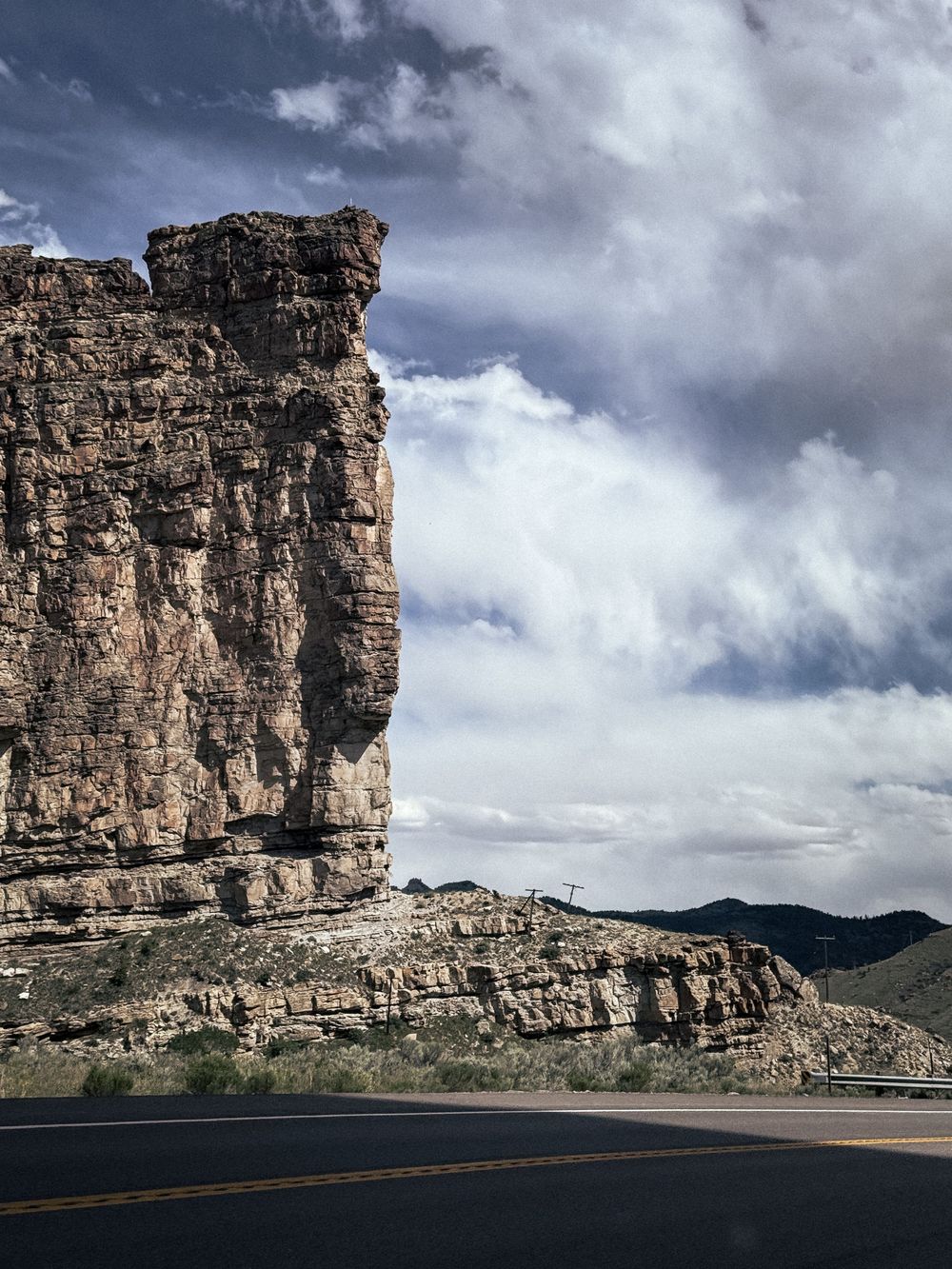
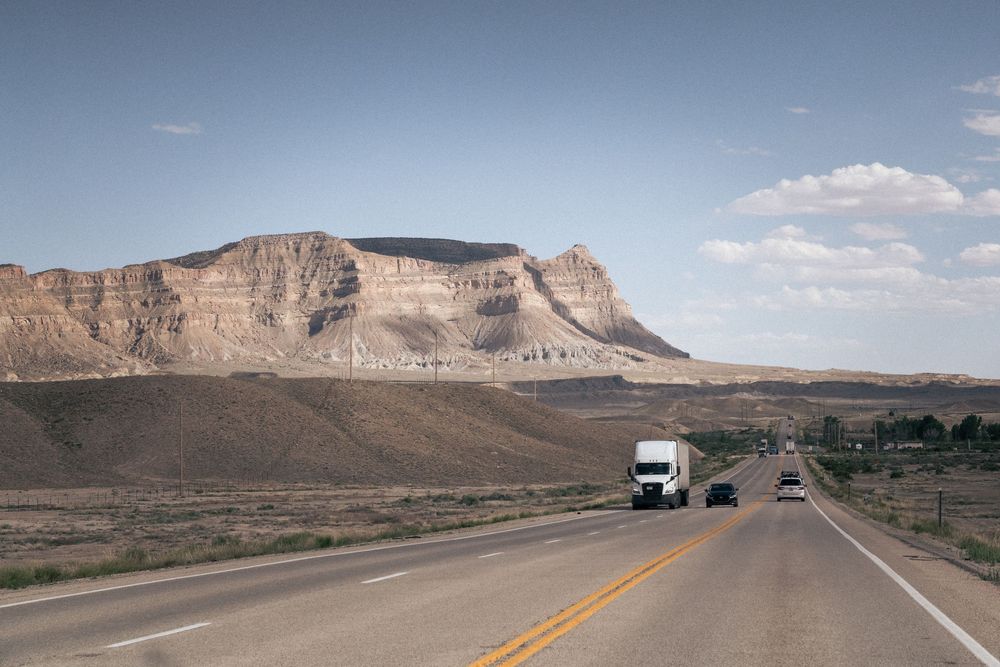
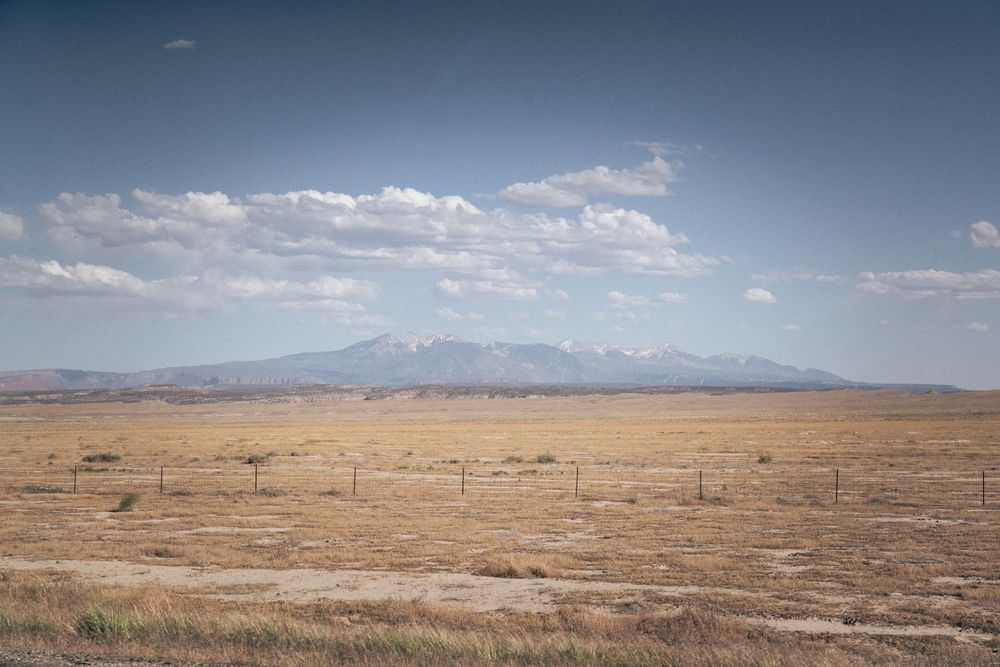
The drive from Salt Lake City to Grand Junction is roughly five hours, but it never feels like one long stretch of sameness. Utah has a way of changing shape in front of you. One minute you’re leaving a clean, urban mountain city, and before long the landscape starts pulling itself apart into desert, rock, open sky, and massive formations that look like they were placed there for photographers.
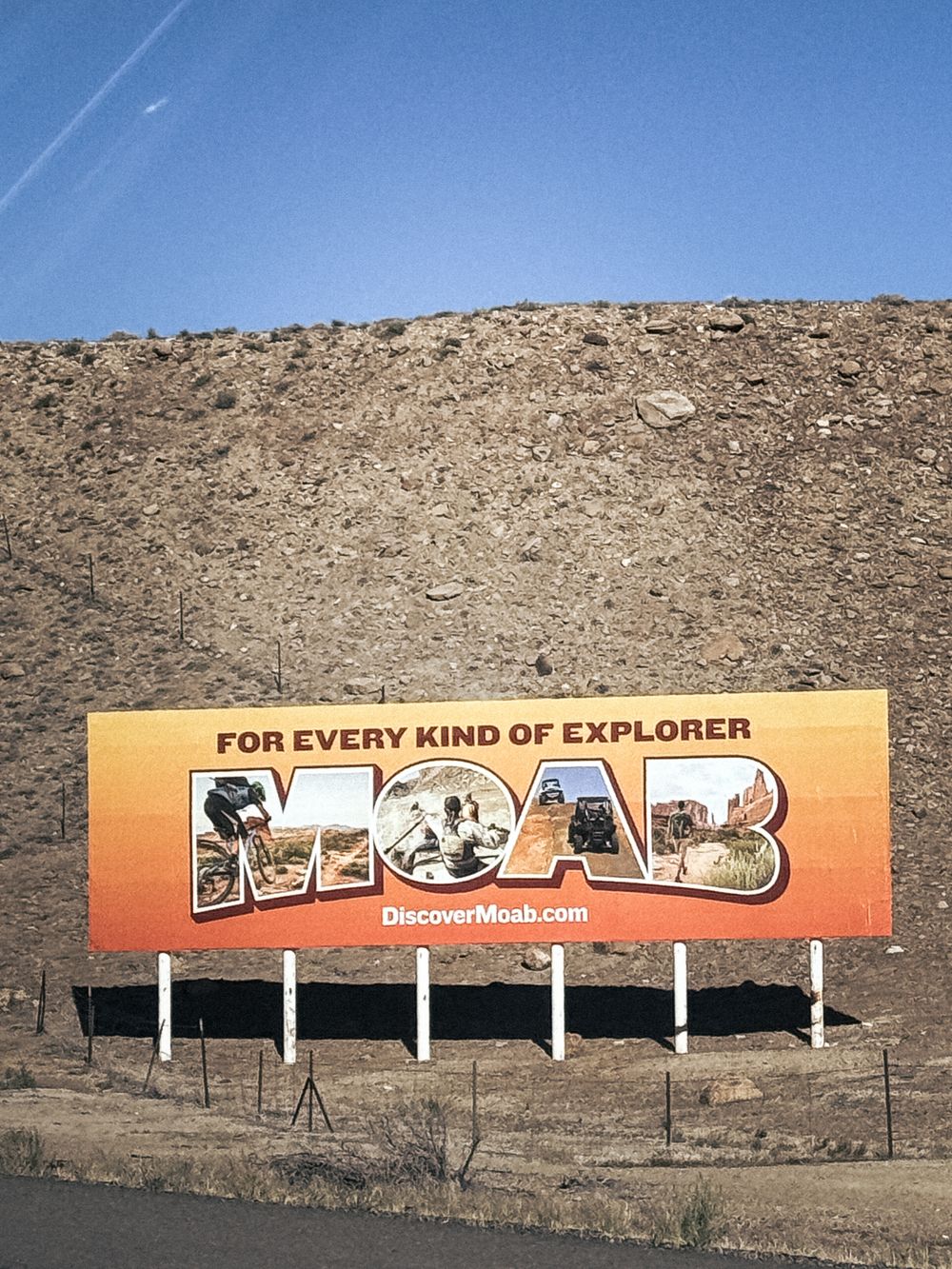
The closer I got toward eastern Utah and the country around Moab, the more the trip started to feel cinematic. Red rock. Long shadows. Empty stretches of highway. Big, sculptural landforms rising out of nowhere. It’s the kind of drive that reminds you how much of the West is still defined by space.
By the time I crossed into Colorado and made my way toward Grand Junction, I already felt like the trip had delivered. But Grand Junction surprised me.
I knew it would be scenic. I knew it sat near red-rock country, wine country, and outdoor recreation. What I didn’t expect was how much character the city itself had.
Downtown Grand Junction has a beautiful, expansive feel to it. Wide enough to breathe, historic enough to feel grounded, and full of public art, statues, crafted metal pieces, old brick buildings, local restaurants, and small details that make you slow down. It doesn’t feel manufactured. It feels lived in.
There’s a richness to the downtown core — the kind of place where you can feel the layers. Old buildings. Clean streets. Public art tucked into the walkways. A strong restaurant scene. And honestly, some of the best food I’ve had in my travels. Not “good for a smaller city” good. Just good.
Really good.
Grand Junction has that rare mix of historic downtown character, access to wild landscapes, and a food scene that feels far more serious than people might expect if they’ve only ever passed through on the way to somewhere else.
But that’s the thing: Grand Junction shouldn’t just be passed through. It’s absolutely worth visiting.
It feels like a quieter, more spacious alternative to the crowded Colorado mountain towns everyone already knows. You still get the outdoor beauty, the red-rock desert, the trails, the nearby Colorado National Monument, the agricultural valleys, the wineries, the local food, and that Western Slope character — but without the same crush of people.
For a traveling photographer, that combination is hard to beat.
Some trips are about the assignment.
Some are about the photographs.
And every so often, the miles in between become the best part of the story.
Field Notes
Observations from the road
Salt Lake City is pristine, historic, and beautifully framed by the mountains.
Tony Caputo’s is worth the stop before heading east.
Utah’s landscape changes with every stretch of highway.
The red-rock country near Moab feels larger than life.
Grand Junction’s downtown oozes character, art, and old brick charm.
The food scene is far better than I expected.
This is a trip where the miles between places became the story.